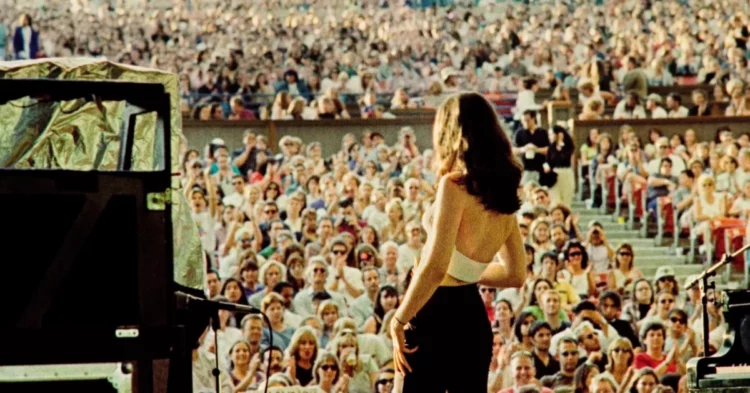
A Festival They Said Would Fail: The Birth of Lilith Fair
In the late 1990s, music industry insiders claimed no one would attend a festival featuring only women. Promoters warned Sarah McLachlan that even two female headliners on a single bill was considered “too many.” Defying every expectation, McLachlan’s Lilith Fair not only sold out—it became a cultural phenomenon that redefined the live music landscape. Now, a new documentary, Lilith Fair: Building a Mystery, premiering at the Toronto International Film Festival (TIFF), uncovers the powerful story behind this groundbreaking all-women music festival.
Directed by Ally Pankiw and produced by Dan Levy, the film draws from more than 600 hours of never-before-seen archival footage and intimate interviews to explore how McLachlan and artists like Sheryl Crow, Erykah Badu, and Bonnie Raitt challenged systemic sexism and forever changed the music industry.
“Joy Is a Radical Act”: The Legacy and Impact of Lilith Fair
Lilith Fair ran from 1997 to 1999, uniting audiences and artists in an celebration of female talent and solidarity. At its core, the documentary reveals how the festival created a new system within an industry built by and for men—one where women could thrive on their own terms.
The film features reflections from iconic performers who took the stage, as well as contemporary artists like Brandi Carlile and Olivia Rodrigo, who speak to the lasting influence of Lilith Fair on their own careers. Director Ally Pankiw emphasizes that the documentary seeks to correct years of cultural amnesia surrounding the festival’s significance.
“There was a misremembering—even a trivialization—of what Lilith Fair accomplished,” Pankiw explained. “We wanted to explore why such a massive, successful moment in music history hasn’t been properly celebrated.”
Never-Before-Seen Moments and Emotional Discoveries
One of the most compelling aspects of the documentary is its treasure trove of archival content. Viewers are treated to behind-the-scenes moments, powerful on-stage collaborations, and candid interviews that showcase the camaraderie and courage of the artists involved.
Pankiw shared one particularly moving discovery: footage of a young Brandi Carlile attending Lilith Fair as a fan, years before she would become a Grammy-winning artist herself. Scenes like these highlight the festival’s role in inspiring future generations.
Another standout moment includes McLachlan and Sinéad O’Connor performing a duet—a testament to the mutual respect and artistic brilliance that Lilith Fair fostered.
Could Lilith Fair Return? Sarah McLachlan Weighs In
Near the end of the film, McLachlan reflects on the possibility of reviving Lilith Fair in the modern era. A 2010 reboot attempt proved challenging, but McLachlan suggests that today’s cultural climate might be ready for a new iteration—though it would need to look different than it did in the ’90s.
Director Pankiw sees clear parallels between the resistance Lilith Fair faced then and the current state of the entertainment industry. “We’re in a period of contraction,” she noted. “When progress feels rapid, people get scared. But that’s exactly when bold movements matter most.”
Why This Documentary Matters Now
Lilith Fair: Building a Mystery arrives at a time when conversations about gender equality, representation, and artistic equity are more relevant than ever. The documentary is not just a look back at a historic musical event—it’s a timely reminder of what can happen when visionary artists choose to challenge the status quo.
For those who experienced Lilith Fair, the film offers a nostalgic and empowering journey. For new audiences, it serves as an inspiring introduction to a movement that proved the power of women in music—and the enduring impact of joy as an act of resistance.